Habsburg numismatics, 1486-1918
Explore the coins.
Discover their history.
A private collection of Habsburg talers and world crowns. Start by choosing the part of the collection that interests you.
Habsburg Monarchy
Choose among 23 monarchs and move directly from a coin portrait to its reign and complete record.
Open this collection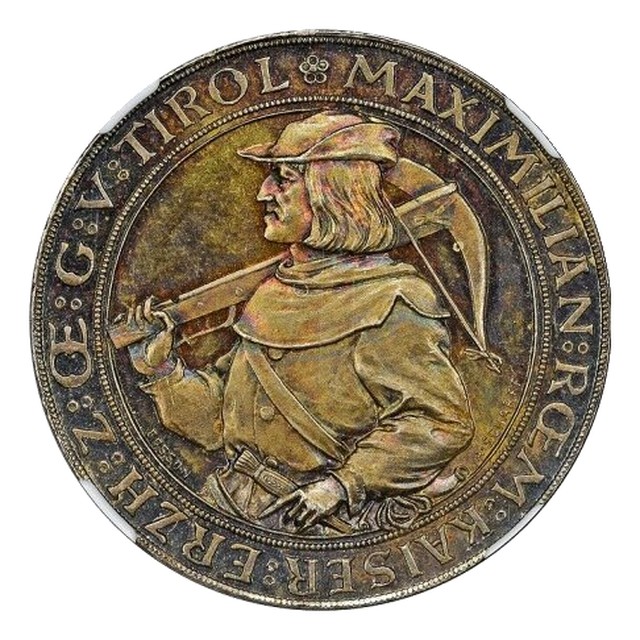
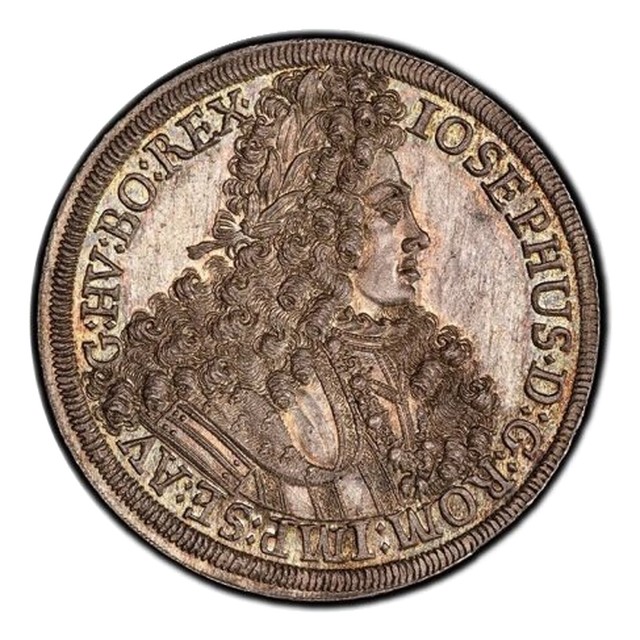
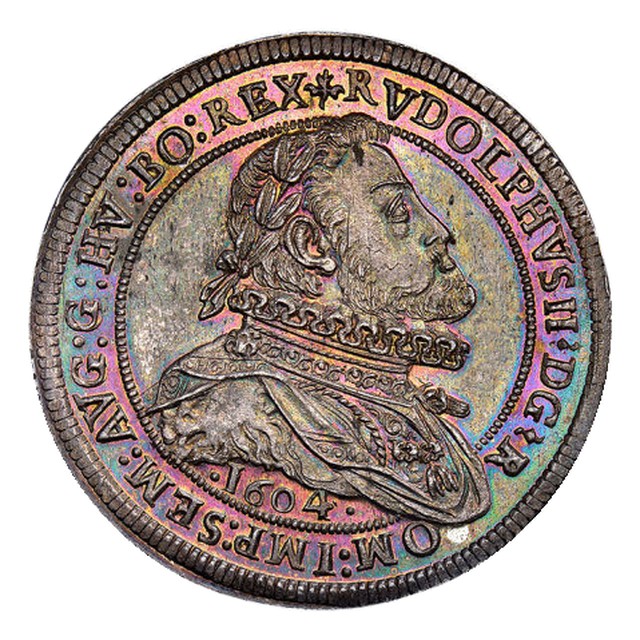
Highlights from the collection
Exceptional grade.
Exceptional color.
Selected coins from the original archive, with exceptional grades and rich natural toning.
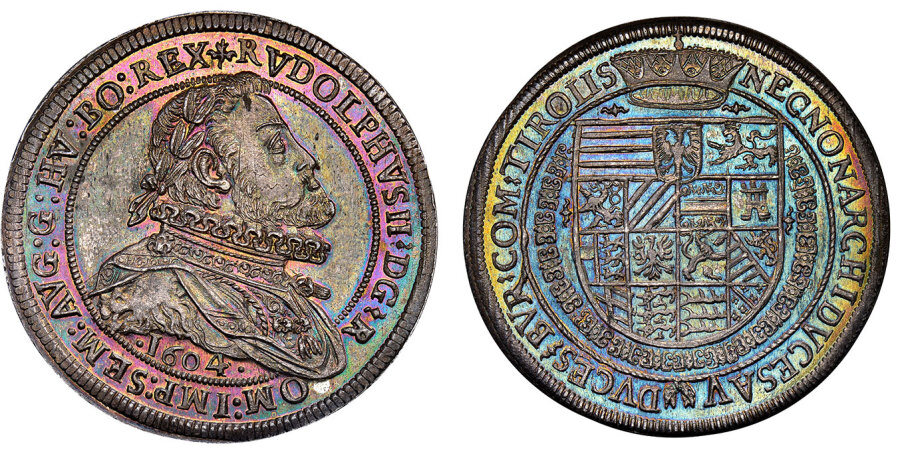
Rudolf II
1604 Taler
Magenta, turquoise and gold iridescenceView complete record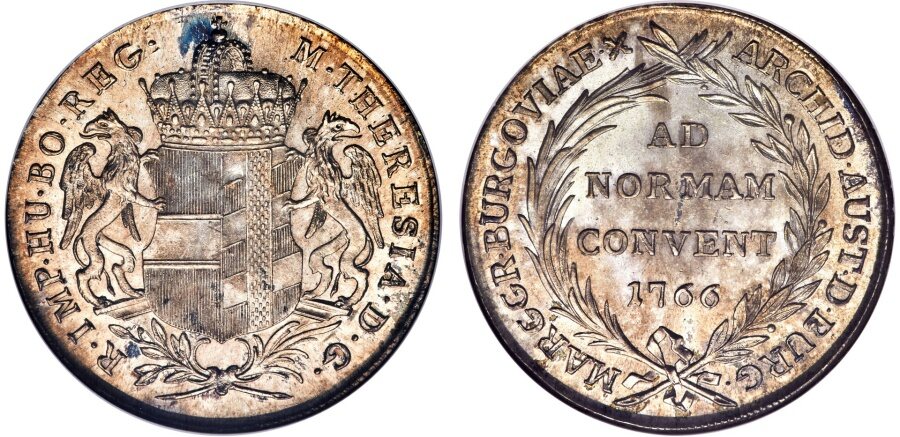
Maria Theresia
1766 Levant Taler
Rich luster and exceptional preservationView complete record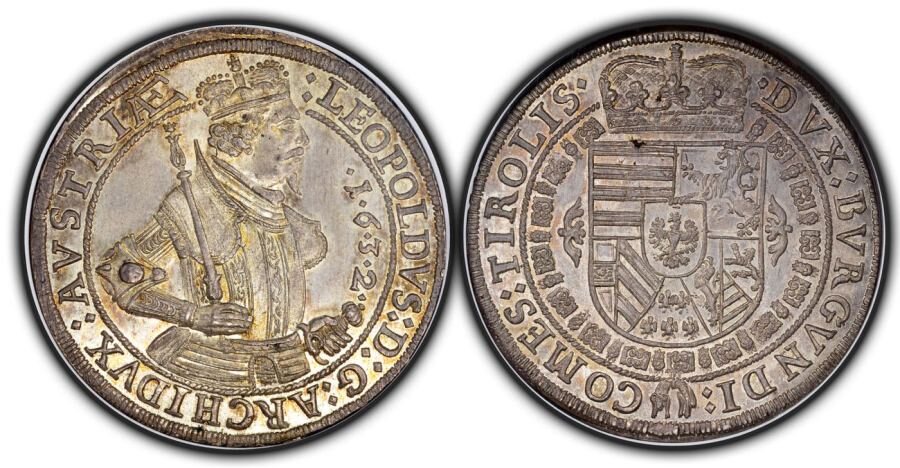
Archduke Leopold V
1632 Taler
A remarkably preserved early Baroque talerView complete record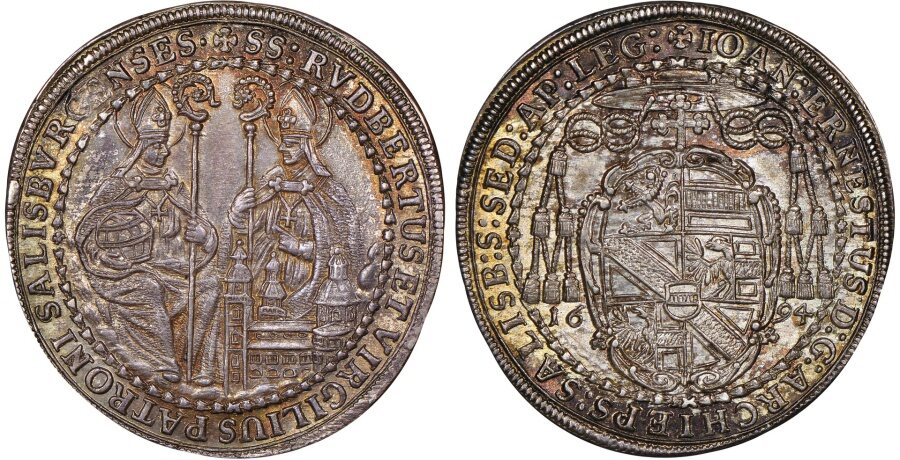
Johann Ernst
1694 Salzburg 1/2 Taler
Rose, gold and iridescent highlightsView complete record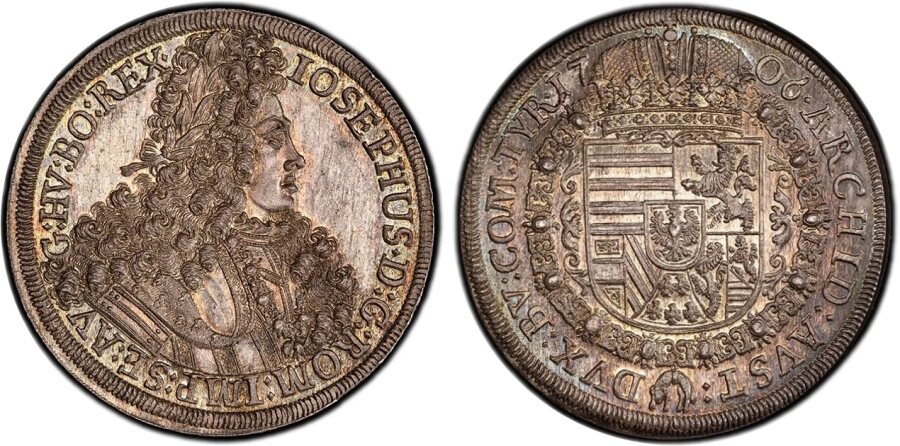
Joseph I
1706 Hall Taler
Exceptional technical quality and silvery lusterView complete record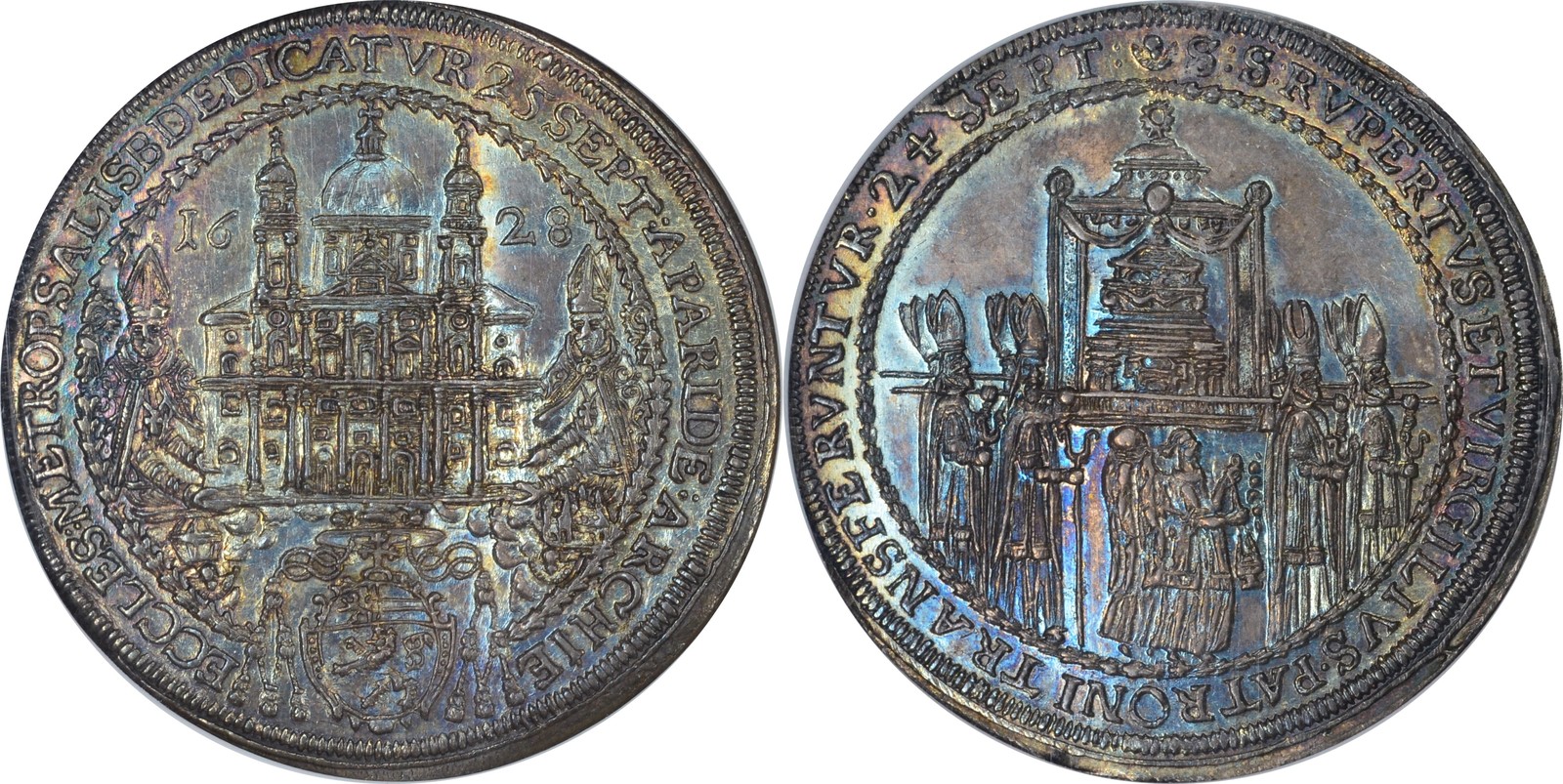
Paris Lodron
1628 Salzburg Taler
Finest known by NGC or PCGS; vivid blue and red iridescent toningView complete recordHistorical introduction
The origins of the taler
The roots of the taler-sized silver coin reach back to the late 1400s, when Archduke Sigismund of Tyrol introduced a large silver coin equal in value to a gold gulden. It became the ancestor of a currency that would circle the world.
Read the historyPeople, places and symbols
The dynasty behind the silver
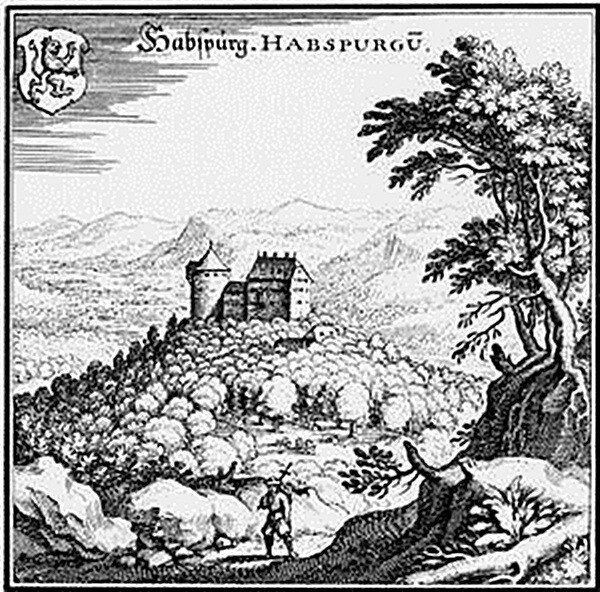
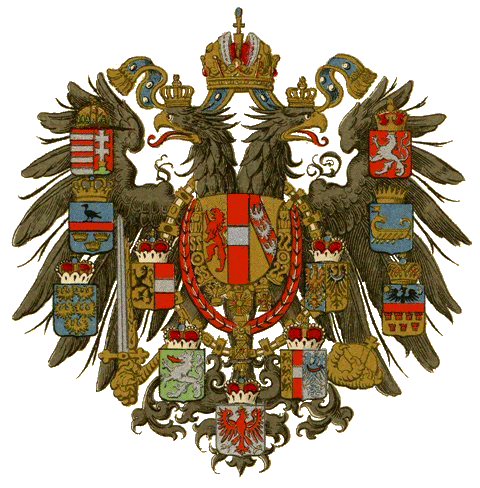
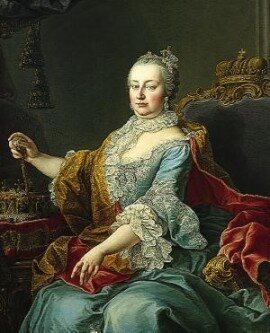
Portraits, heraldry and historical views from the original Taler Universe archive give the coins a human and political setting.
Imperial chronology
Meet the monarchs behind the talers
Follow the Habsburg line from the first large silver guldiner to the final decades of the Austro-Hungarian Empire.
View the Habsburg monarchsThe archive is growing
Coins, context and collecting knowledge
Long-form histories, minting techniques, ruler biographies and specialist articles bring the collection into focus.
The collector
Preserving history in silver
Every taler in this collection once passed through real hands, in a real century, stamped with the likeness of a ruler who actually held power over the mountains and mints that made it. That's the pull for me: these aren't abstractions of Habsburg history, they're artifacts of it - physical evidence you can hold, read, and trace back to an exact year, mint and monarch.
There's also the simple pleasure of the engraving itself. A well-struck sixteenth-century guldiner can carry more artistry in a few square centimetres of silver than an object meant to be spent has any right to - armor rendered in relief, coats of arms crowded with real heraldic detail, portraits that were, for their moment, genuinely lifelike. Grade and rarity matter, but I've always chased pieces that are simply beautiful to look at first.
Taler Universe exists to put all of that in one place: the coins, the history behind them, and enough context that a piece doesn't have to sit in a drawer to be understood. My hope is for it to keep growing - more rulers, more mints, more of the story — and to be useful to anyone else who finds this corner of numismatics as absorbing as I do.
Explore the collection